
Dipankar Dasgupta - IEEE Fellow, NAI Fellow, AIIA Fellow
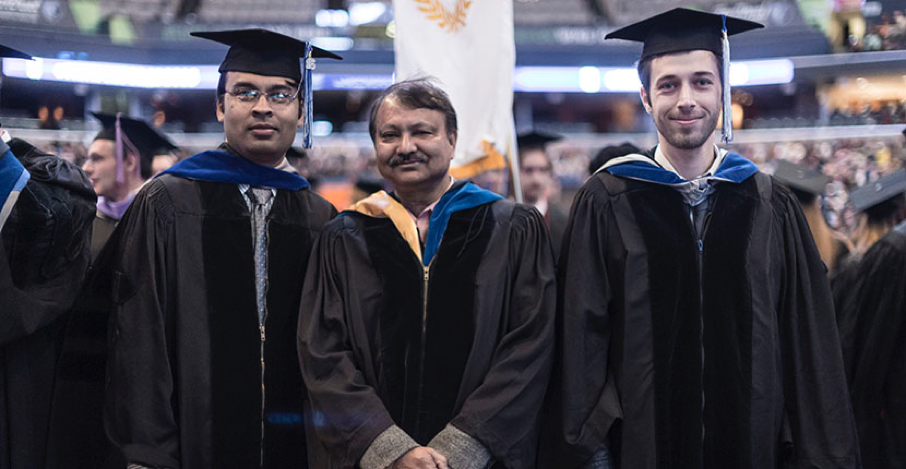
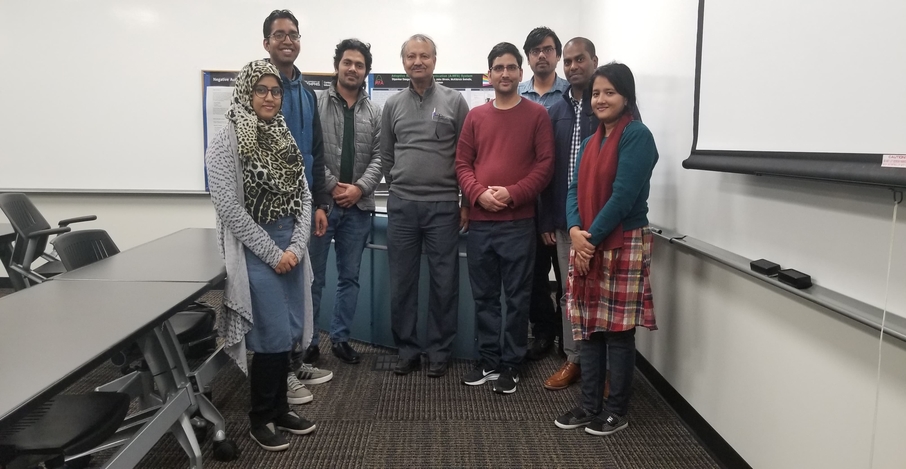
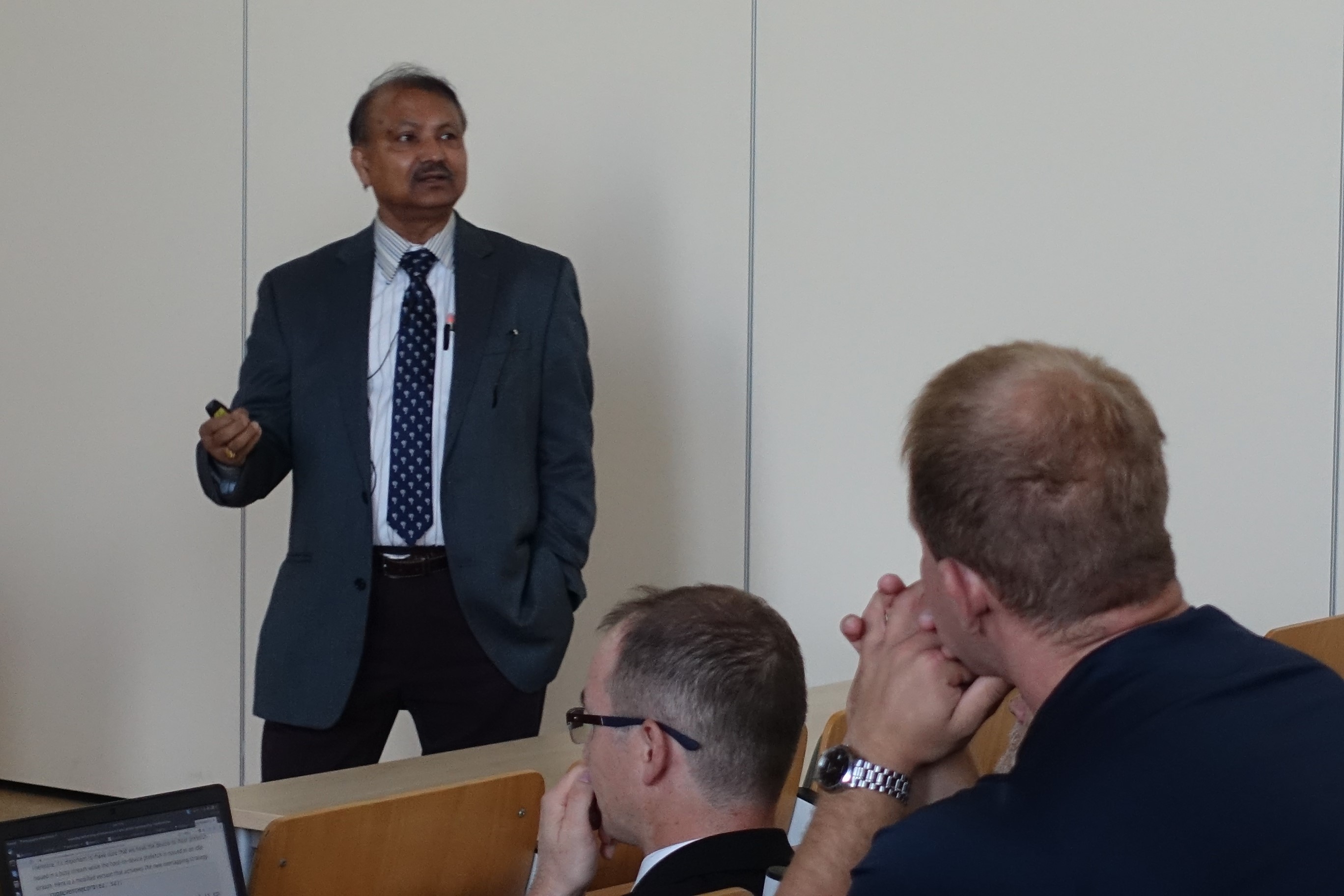
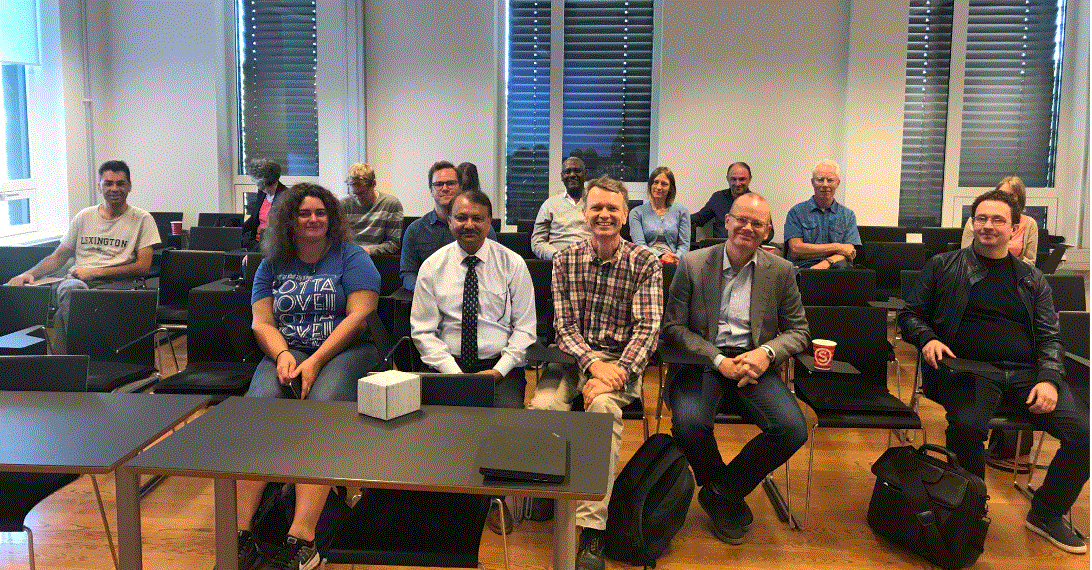
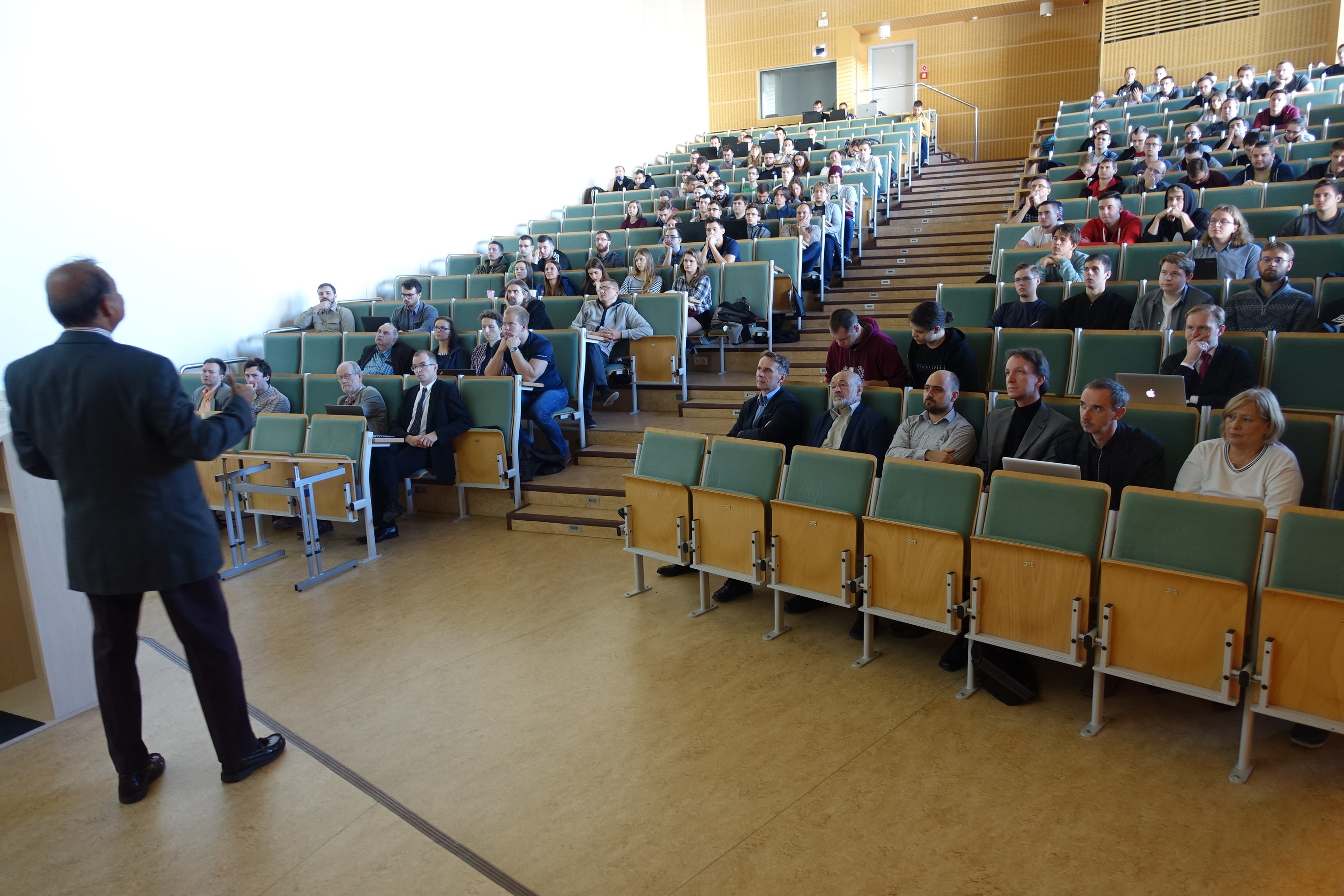

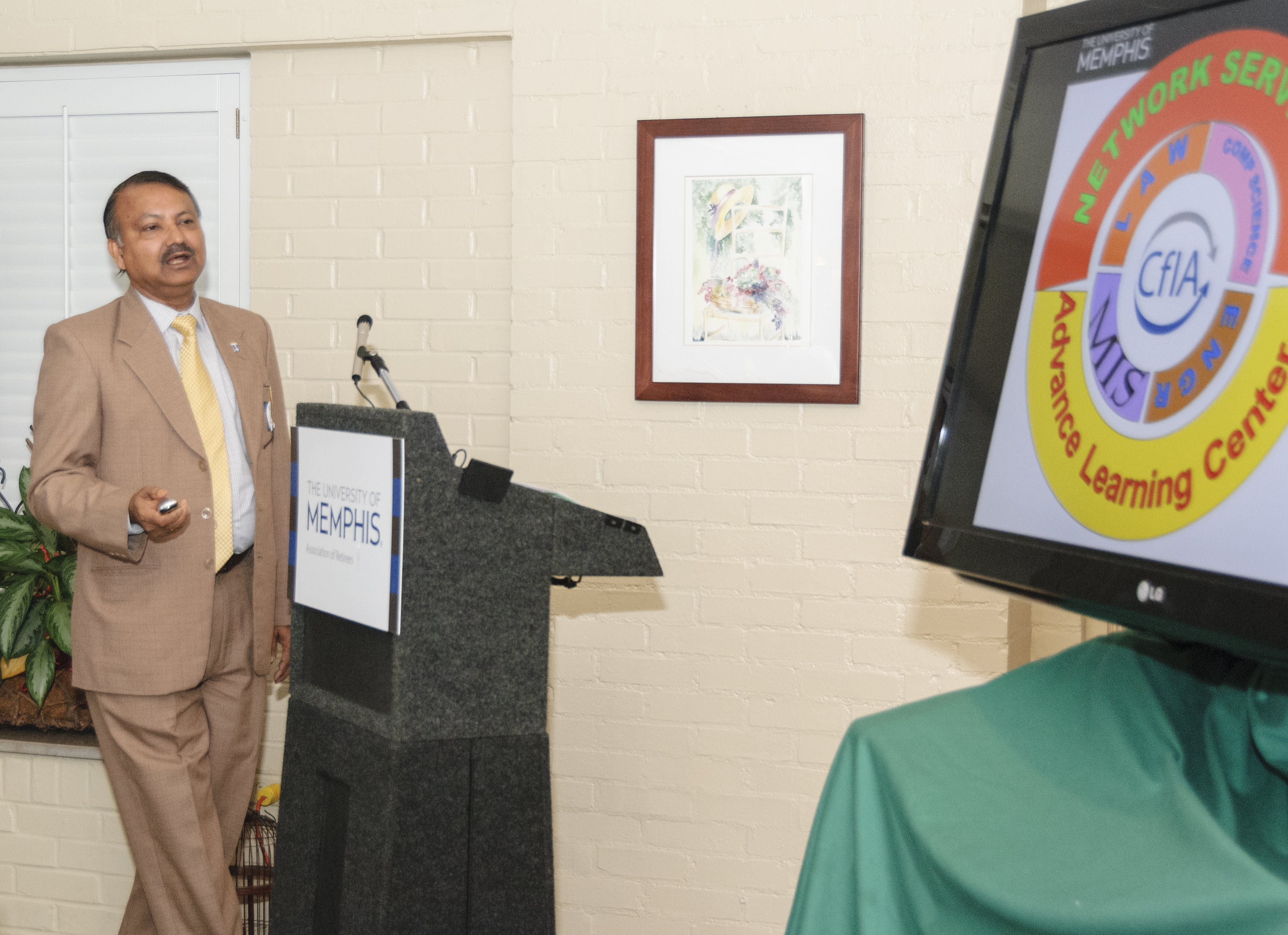
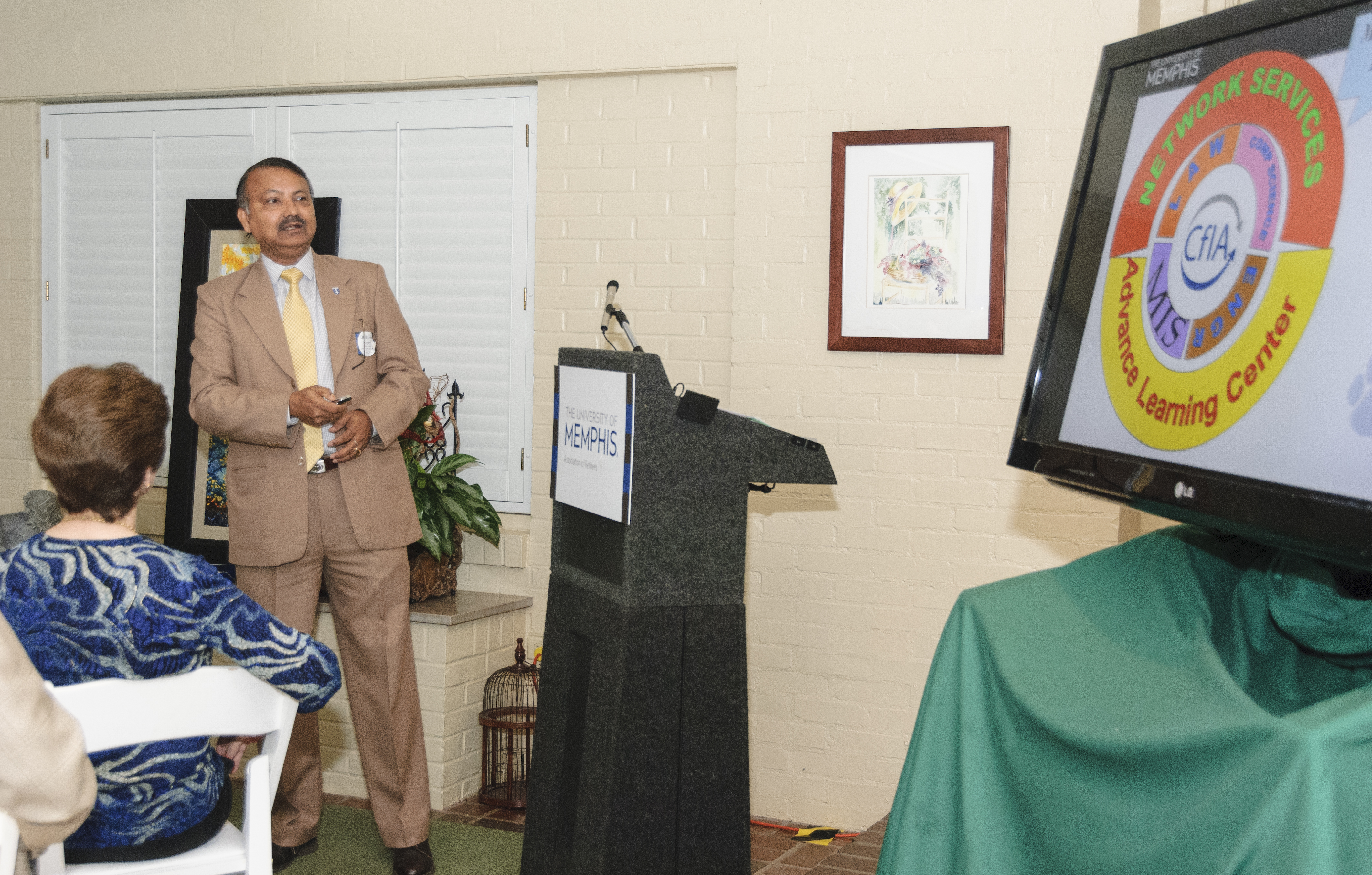
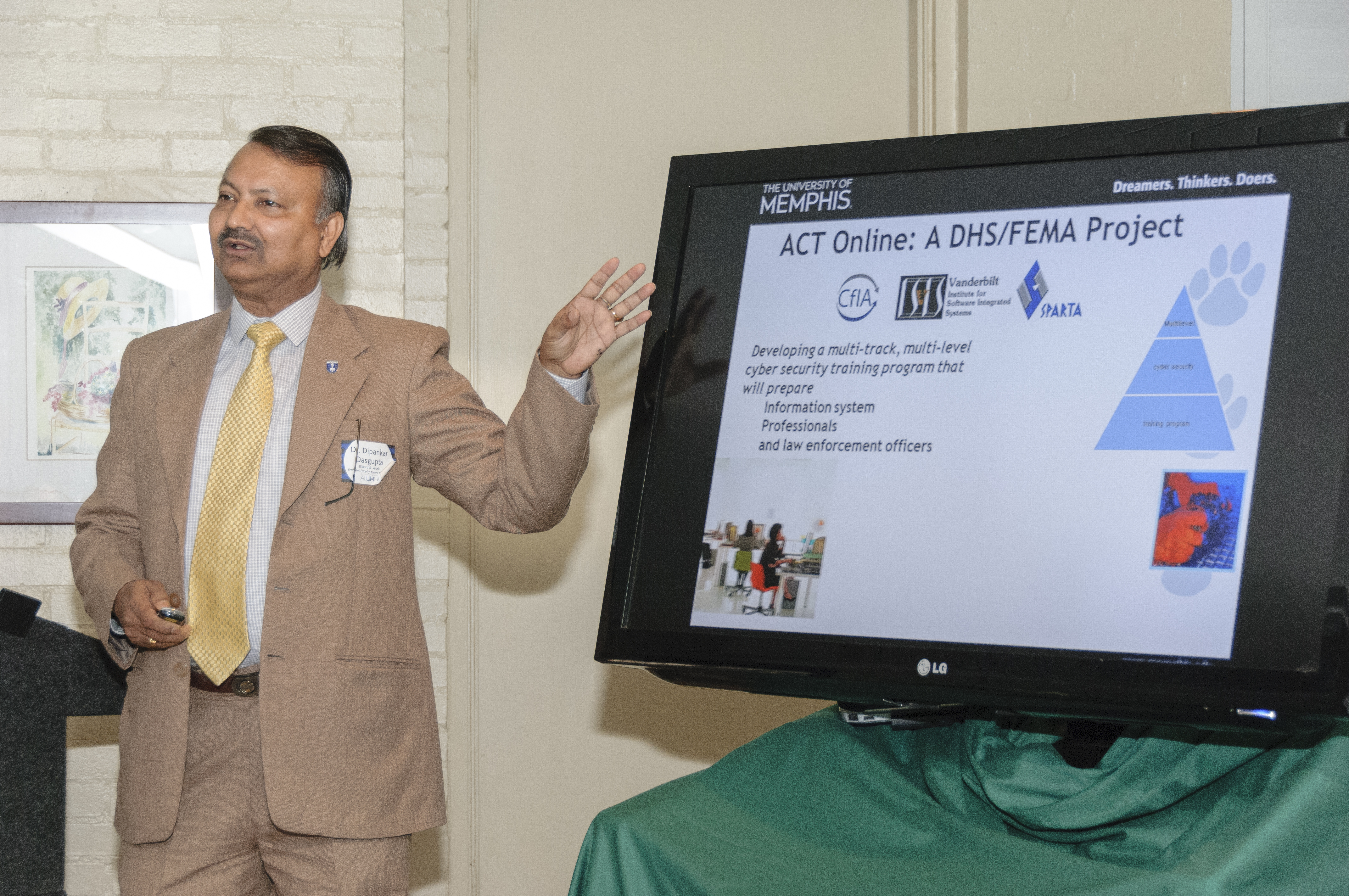
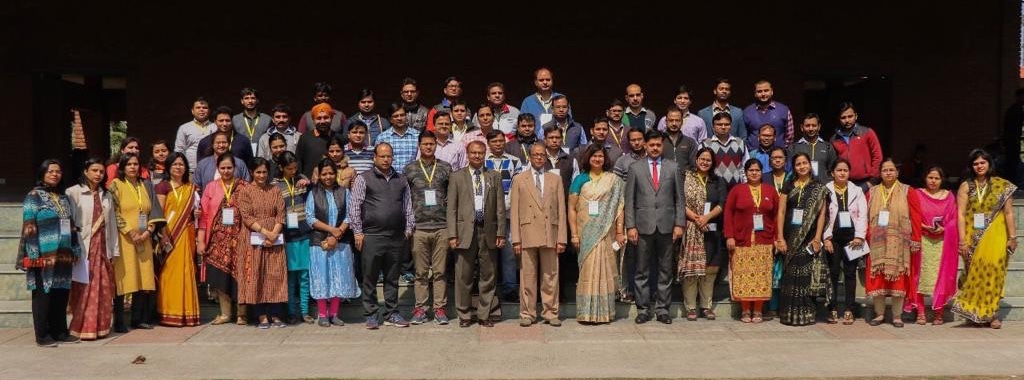
Dr. Dasgupta is listed among the top computer scientists whose h-index is above 68 (available at ), thus, influencing the research community. One of his current researches is applying Computational Intelligence techniques in Network and Internet Security.
- Dr. Dasgupta is the recipient of the 2023 in Research.
- Dr. Dasgupta is the Founding Director of the (2004鈥扬谤别蝉别苍迟).
- Dr. Dasgupta is a Fellow of the (AIIA) (2024).
- Dr. Dasgupta is an (Chair of Excellence) (2024).
- Dr. Dasgupta is an IEEE Distinguished Lecturer (2022-2024).
- Dr. Dasgupta is a Fellow of the U.S. National Academy of Innovation (NAI) (2022).
- Dr. Dasgupta has been awarded as at 糖心Vlog传媒 on Aug 22, 2018.
- Dr. Dasgupta is the recipient of 2014 Impact Award.
- Dr. Dasgupta Elevated to
- Dr. Dasgupta is a
- Dr. Dasgupta is the recipient of 2012
- An Advisory Board Member of since 2010.
AI Cyber Security
Among different research areas Negative Authentication, Adaption Multi-Factor Authentication, Smart-Grid Security are the current focus. Also Game Theory and Cyber Security (GTCS) group conducts cutting-edge research to explore how they can apply game theoretic approaches to address network security issues. Current projects that students are working on include Game Theory Inspired Defense Architecture (GIDA), and AVOIDIT: A Cyber Attack Taxonomy.
Artificial Immune Systems/Immunilogical Computation
This emerging field is sometimes referred to as Immunological Computation, Immunocomputing, or Artificial Immune Systems (AIS). Although it is still relatively new, AIS, having a strong relationship with other biology-inspired computing models, and computational biology, is establishing its uniqueness and effectiveness through the zealous efforts of researchers around the world.
Evolutionary Computation/Evogenerative AI
Dipankar Dasgupta has been involved in the investigation of a more biologically motivated genetic search model - called the Structured Genetic Algorithm (sGA). The model uses some complex mechanisms of biological systems for developing a more efficient genetic search technique. Specifically, this model incorporates redundant genetic material and a gene activation mechanism which utilizes multi-layered genomic structures for the chromosome. The additional genetic material has many advantages in search and optimization. It mainly serves two purposes: primarily, it can maintain genetic diversity at all time during the search process, where the expected variability largely depends on the amount of redundancy incorporated in the encoding.
Dr. Dipankar Dasgupta published more than 330 research papers in book chapters, journals, and international conferences. He authored several books, published two edited volumes and co-edited several conference proceedings over the last 35 years. A search for "Dipankar Dasgupta" on Google Scholar shows a total count: 23,210+ citations. To get the current list of his publications from Google Scholar .
World Scientist Ranking: |
1060 |
Google Scholar Entry: |
|
h-index: 68 |
Scopus Entry: |
162 co-authors |
Editorial Board of journals
- Evolutionary Intelligence, Springer-Verlag
- Evolutionary Optimization, Polish Academy of Science.
- Recent Patents on Computer Science, online journal Bentham Science Publishers Ltd.
- Swarm and Evolutionary Computing - Elsevier Press
His work on "Password Immunizer" (based on ) was submitted for patent.
His published books include:
If you are interested in any of the above mentioned research areas, contact the for graduate programs.
Academic / Honorary Positions
William Hill Professor in Cybersecurity
糖心Vlog传媒
Dr. Pat E. Burlison professorship
糖心Vlog传媒
Willard R. Sparks Eminent Faculty
糖心Vlog传媒
Dunavant Professorship
糖心Vlog传媒
Full Professor
Computer Science, 糖心Vlog传媒
Visiting Scientist (Sabbatical Position)
NSA Ames Research Lab, California
Associate Professor
Computer Science, 糖心Vlog传媒
Assistant Professor
Computer Science, 糖心Vlog传媒
Visiting Assistant Professor
Computer Science, University of Missouri, St. Louis
Post Doctoral Research Associate
Computer Science, University of New Mexico, Albuquerque